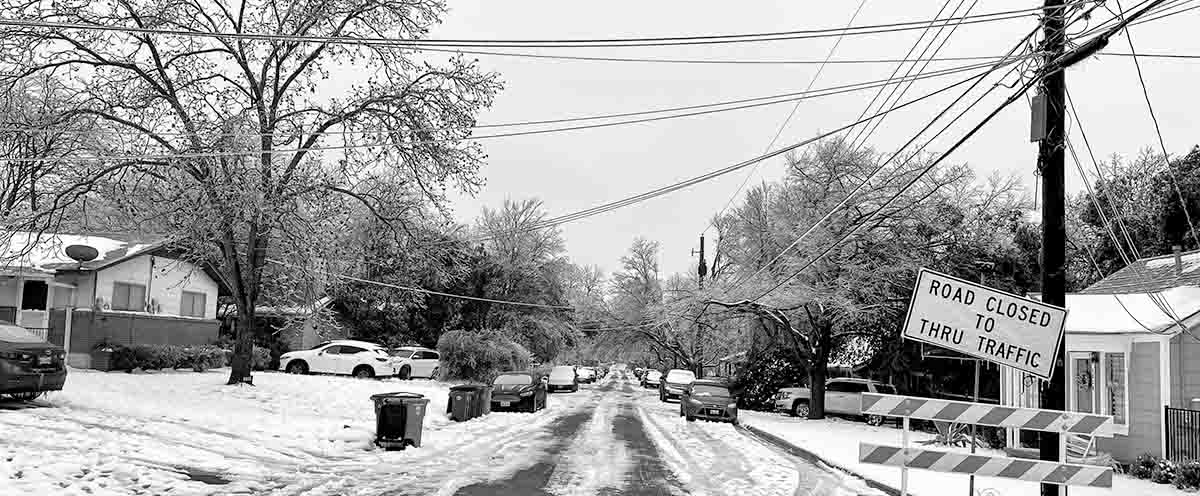
Winter storms can hit suddenly and with force, bringing freezing rain, snow, ice, dangerously low temperatures, power outages, and travel hazards. In early 2026, many parts of the country are bracing for winter weather, with impacts ranging from icy roads to sub-freezing temperatures. Emergency officials are urging residents to be proactive and prepared.
Here’s a step-by-step guide to help you build preparedness into your home, vehicle, and family routines so you stay safe and comfortable through winter’s worst.
Know the Risk and Stay Informed
Know your local winter weather alerts. Winter Weather Watches, Warnings, and Advisories are issued by the National Weather Service and can give you crucial lead time before conditions deteriorate.
Sign up for emergency alerts with local authorities or systems like NOAA Weather Radio, TXANS in Texas, or community alert services.
Monitor forecasts regularly as storm timing, severity, and impacts can change.
Build an Emergency Supply Kit
In a winter storm, resources can be hard to access so purchase supplies ahead of time:
Essentials for Your Home
- Water: At least 1 gallon per person (and pet) per day for several days.
- Food: Non-perishable items like canned meats, granola bars, peanut butter, dried fruit, and soup.
- Flashlights and extra batteries (avoid relying on candles for light).
- Portable battery-powered radio for weather and emergency broadcasts.
- Warm blankets and clothing, especially for infants, elderly family members, and pets.
- First-aid kit and at least a week’s worth of prescription medications.
- Fuel for heating (if you use propane or other safe indoor heating sources).
Tip: Keep a “stay-home kit” with 2 weeks of supplies and a “go-bag” ready in case you must evacuate.
Winterize Your Home
Protect Your Pipes
- Insulate exposed pipes in attics, garages, and near exterior walls to help prevent freezing.
- Disconnect and drain outdoor hoses and cover outdoor faucets.
- Consider letting faucets drip slightly when temperatures plunge.
Heating Safety
- Check heaters and fireplaces are safe and clean.
- Install carbon monoxide detectors with fresh batteries — CO poisoning risk increases when using generators or alternative heat sources indoors.
- Never use outdoor grills, camp stoves, or generators indoors.
Insulate and Seal
- Weather-strip doors and windows to keep warm air in and cold air out.
- Close curtains or blinds at night to add insulation.
Make Sure Your Car is Winter Storm Ready
Winter storms often make travel hazardous or impossible.
- Fill up your gas tank before the storm hits.
- Keep an emergency kit in your car, which could include blankets, snacks, water, flashlight, ice scraper and first-aid supplies.
- Check that your tires, antifreeze, wipers, and defrosters are in good condition.
- Avoid travel during extreme weather whenever possible.
Be Ready for Potential Power Outages
Winter storms can damage power lines and strain energy grids.
- Keep phones and backup chargers fully charged.
- Use generators safely outdoors and far from windows.
- Keep extra blankets and warm clothing accessible.
- Report any outages to your local utility
Don’t Forget Pets and Vulnerable Neighbors
- Bring pets indoors and ensure they have food, water, and warm bedding.
- Check on elderly or medically fragile neighbors and help them prepare.
After the Storm
Once the storm passes:
- Stay off roads until crews work dangerous conditions.
- Check on your home for damage and hazards like burst pipes or downed lines.
- Use caution with stored food if refrigeration was lost.
Bottom Line
Preparation makes all the difference in how you weather a winter storm. Start early: build your kits, winterize your home, prepare your vehicle, and stay informed. In 2026, as storm systems grow more unpredictable, proactive planning keeps you safe and resilient.
