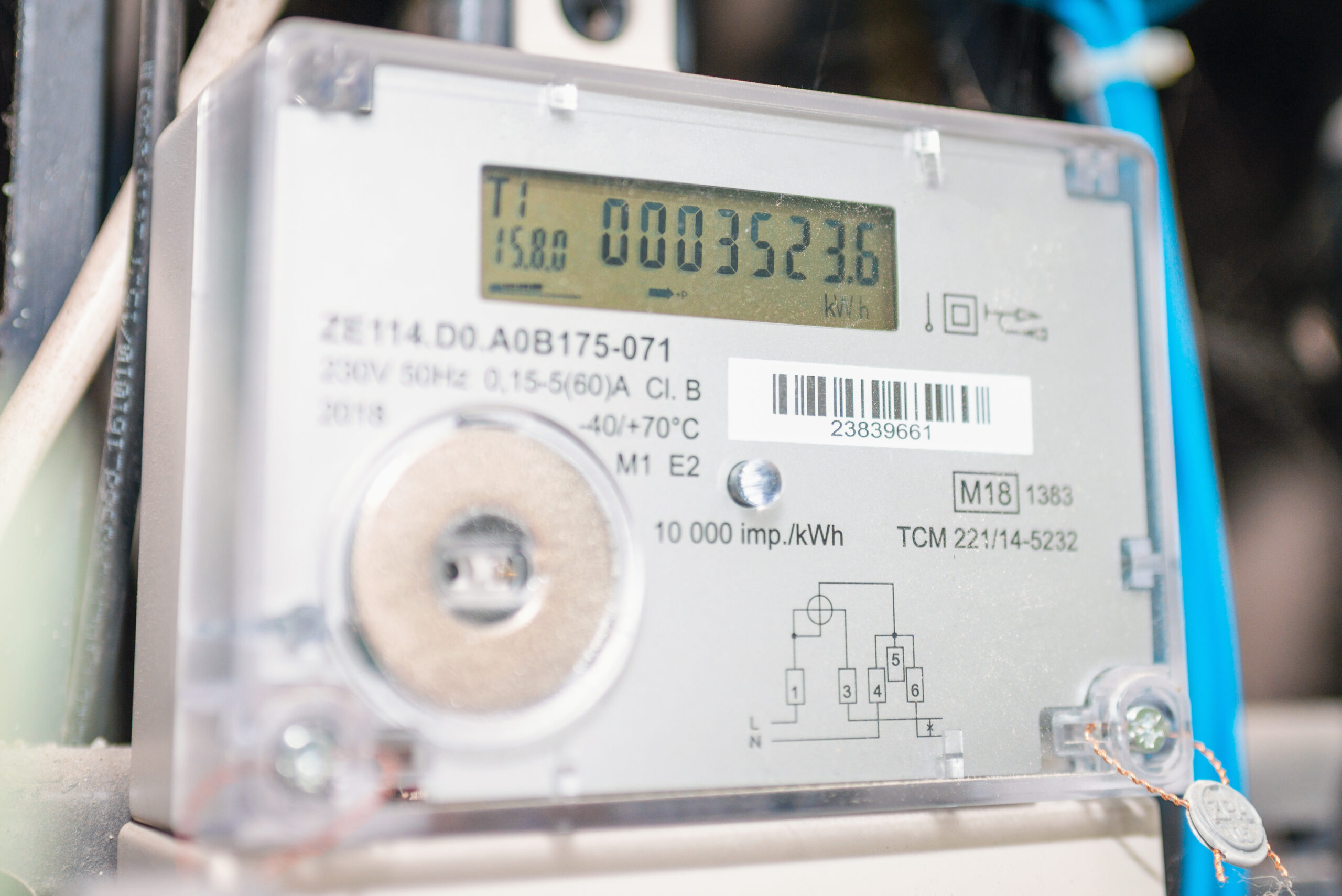
If you’ve ever wondered how your electricity usage is tracked each month, you’re not alone. Many homes today use smart meters, but most people don’t think about them until they see one installed outside their home. So, what are smart meters and how do smart meters work?
A smart meter is a digital device that automatically records electricity usage and sends that information to your utility provider. Unlike traditional meters that require manual readings, smart meters communicate usage data electronically, helping improve billing accuracy, outage detection and energy management.
What Is a Smart Meter?
Like traditional meters, smart meters measure how much electricity a property uses. The difference is that smart meters can automatically transmit usage information, eliminating the need for someone to manually read the meter. Think of a smart meter as a more advanced way to track energy use. It helps utilities monitor electricity usage more efficiently while giving homeowners greater visibility into how and when they use energy.
How Do Smart Meters Work?
Understanding how smart meters work starts with knowing what they do. Smart meters continuously measure the electricity your home consumes throughout the day.
Instead of waiting for a monthly meter reading, the device records usage electronically and securely sends that information to your utility provider through a communications network.
Here’s a simple breakdown of the process:
1. The Smart Meter Measures Energy Use
Every time you turn on a light, run the dishwasher or charge your phone, electricity flows through the meter. The smart meter records how much electricity your home uses over time and creates a detailed picture of your energy consumption.
2. The Meter Sends Usage Data Automatically
At scheduled intervals, the meter securely transmits usage information to the utility. This removes the need for manual meter readings and helps ensure bills are based on actual usage rather than estimates. The frequency of smart meter readings varies by utility provider, but many smart meters record and transmit electricity usage data in 15-minute or hourly intervals.
3. Your Utility Uses the Information to Manage Service
The data collected by smart meters helps utilities monitor system performance, identify power outages more quickly and improve overall grid reliability.
Smart Meter vs. Traditional Meter
While both types of meters measure electricity usage, they do it differently.
| Smart Meter | Traditional Meter |
|---|---|
| Digital Technology | Mechanical or analog technology |
| Sends readings automatically | Requires manual readings |
| Provides detailed usage information | Provides basic usage totals |
| Supports faster outage detection | Limited communication capabilities |
| Reduces estimated billing | May require more manual processes |
Both types of meters serve the same basic purpose, but smart meters automate many tasks that previously required manual work.
Benefits of Smart Meters
Smart meters offer several advantages for both homeowners and utilities.
• More Accurate Billing
• Better Visibility Into Energy Use
• Faster Outage Detection
• Improved Grid Reliability
Overall, smart meters support modernization efforts that help utilities manage demand, maintain infrastructure and improve service reliability.
What Information Does a Smart Meter Collect?
Smart meters typically collect information such as:
• Electricity consumption
• Time-based usage data
• Meter performance information
• Service interruption notifications
Smart meters are designed to measure energy usage, not personal activities within a home.
For example, a smart meter may show how much electricity was used during a specific time period, but it cannot determine who was using electricity or what activities were taking place.
Are Smart Meters Accurate?
Smart meters are designed to provide highly accurate electricity measurements. Because readings are collected electronically, there is less opportunity for human error that can sometimes occur with manual meter readings.
Turn Energy Insights Into Smarter Plan Choices
Smart meters are helping modernize the way electricity usage is measured and managed. By automatically recording and transmitting energy data, they improve billing accuracy, support grid reliability and provide valuable insights into energy consumption.
While the technology behind smart meters is sophisticated, the idea is simple: give utilities and customers a more efficient way to understand electricity usage.
At CleanSky Energy, we believe understanding your energy habits can help you make smarter choices for your home. Whether you’re looking for a traditional electricity plan or exploring a time-of-use plan that aligns with when your household uses the most energy, having access to detailed usage information can help you find an option that fits your lifestyle.
Frequently Asked Questions
Can I see my energy usage with a smart meter?
In many areas, smart meters can provide detailed insights into your home’s electricity usage. Depending on your utility provider’s tools, you may be able to see:
• How much electricity your home uses each day
• When your home uses the most electricity
• Which days have the highest energy consumption
• Overall electricity usage measured in kilowatt-hours (kWh)
However, smart meters typically cannot identify exactly which appliances are using electricity at a given moment.
Do smart meters help lower electric bills?
A smart meter doesn’t automatically lower your electric bill, but it can give you a better understanding of when and how your home uses electricity. That insight can help you identify opportunities to use energy more efficiently and make informed decisions about your electricity plan.
For customers who have access to time-of-use electricity plans, smart meter data can be especially helpful. By seeing when your household uses the most energy, you can compare your usage habits to a plan’s peak and off-peak hours and choose one that aligns with your lifestyle.
Want to learn more? Check out our blog for practical tips on choosing the right time-of-use plan and getting the most value from time-based electricity rates.
Do smart meters require maintenance from homeowners?
No. Smart meters are maintained by the utility company, and homeowners typically do not need to take any action after installation.
What happens if my power goes out?
Smart meters can help utilities identify outages more quickly, which may support faster restoration efforts.
Can I Replace My Traditional Meter With a Smart Meter?
In many cases, homeowners cannot directly replace a traditional meter themselves because electric meters are owned and maintained by the local utility company. If you’re interested in getting a smart meter, contact your utility provider to learn what options may be available in your area. Availability, installation requirements and associated costs can vary depending on the utility and location.
