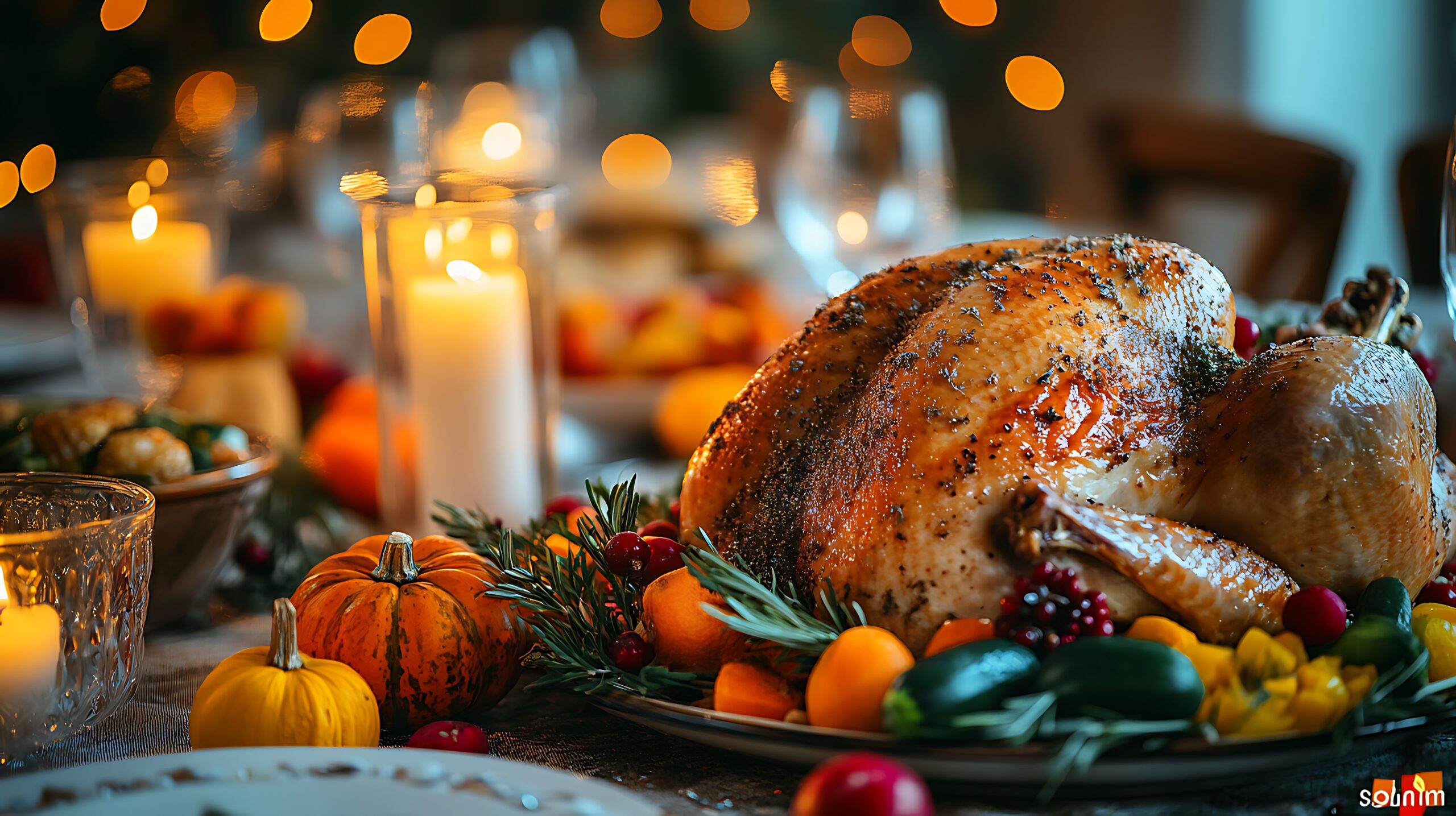
From a turkey roasting in the oven to Christmas lights twinkling every night, the holidays can bring extra energy use along with the festivities. The good news? A few holiday energy-saving tips can help you celebrate while keeping energy use in check. Let’s break down some of the season’s biggest energy users and explore simple ways to save without sacrificing your favorite traditions.
Why Does Energy Use Change During the Holidays?
Think about a typical day at home, then add a house full of guests, an oven running for hours, extra loads in the dishwasher, Christmas lights and potentially chilly weather outside. That can mean more energy going toward cooking and baking, heating your home, holiday lights and decorations, dishwashing and laundry, refrigerating extra food and leftovers and entertainment systems. Exactly how much energy your household uses depends on factors such as the weather, number of guests, appliances, cooking methods and how long you’re home.
Thankfully, many of the places where we use extra energy are also places where small changes can help. These seven simple holiday energy-saving tips can help you make those changes without giving up the traditions you love.
How Much Energy Does Thanksgiving Day Use?
Whether you’re having Thanksgiving lunch, dinner or both, turkey day puts the kitchen to work. Ovens, stovetops, microwaves, refrigerators, freezers and dishwashers all play a role in getting dinner on the table and cleaning everything up afterward.
The Oven
For many households, the turkey means several hours of oven time. Exactly how much electricity an electric oven uses depends on its wattage, how frequently its heating elements cycle on and off and how long you cook. That’s why there’s no single number that applies to every Thanksgiving meal. But you can estimate an appliance’s maximum electricity consumption with a simple formula:
Watts × hours used ÷ 1,000 = kilowatt-hours (kWh)
For example, if a 3,000-watt oven drew its full rated power continuously for four hours, the calculation would be:
3,000 watts × 4 hours ÷ 1,000 = 12 kWh
However, an oven’s heating elements typically cycle rather than drawing their maximum power continuously, so actual consumption can be lower. Think of the formula as a useful illustration, not a prediction of what your particular turkey will cost.
The Sides
Turkey isn’t the only dish working overtime on Thanksgiving. Mashed potatoes, casseroles, dinner rolls, pies and other sides need energy, too. Using microwaves, toaster or convection ovens when possible can use one-third to one-half as much energy as a full-size oven when preparing sides and small meals.
Cleanup
After everyone has eaten, the energy story isn’t finished. We recommend fully loading your dishwasher before running it because they use about the same amount of energy and water regardless of how many dishes are inside.
Leftovers
Next morning’s leftovers can be another easy opportunity to think small: If you’re reheating a single plate, the microwave can make more sense than warming up the whole oven.
How Much Energy Do Christmas Lights Use?
Once Thanksgiving dinner is packed away, another holiday energy user takes center stage: Christmas lights. Tree lights, outdoor displays, wreaths and other illuminated decorations can spend hours glowing each night throughout the season. How much electricity they use depends primarily on their wattage and how long you leave them on. The type of light matters, too.
LED vs. Incandescent Christmas Lights
If you’re still decorating with older incandescent lights, switching to LEDs can make a significant difference. ENERGY STAR says residential LED products use at least 75% less energy and can last significantly longer than incandescent lighting, while providing optimal coloring. LEDs also emit much less heat than incandescent bulbs. That makes LED holiday lights one of the simplest places to start if you’re looking to reduce the electricity used by your display. Timers offer another simple solution. Instead of remembering to turn off the lights before bed each night, set your decorations to switch off automatically after you’ve enjoyed them for the evening. For more eco-friendly holiday lights and decoration tips, you can check out our blog here.
7 Holiday Energy-Saving Tips
Now that you know how much energy the holidays can use, here are seven simple ways to celebrate while keeping your energy use in check.
1. Make the Most of an Already-Hot Oven
Planning several dishes that require similar temperatures? Where recipes allow, cook multiple dishes together rather than repeatedly warming the oven throughout the day. And once the food goes in, try to resist checking it every few minutes. Use your oven window and light when possible.
2. Match the Appliance to the Meal
Preparing a relatively small holiday dish? Consider whether you really need the full-size oven. Microwaves, toaster ovens and other smaller appliances can be smart alternatives for appropriate foods.
3. Deck the Halls With LEDs
If your old holiday light strings have reached the end of their useful life, consider replacing them with LED versions. Because LEDs use significantly less electricity than traditional incandescent lighting, the difference can become especially meaningful for elaborate displays running several hours a night. You still get the sparkle. You just need less electricity to create it.
4. Put Your Lights on a Schedule
There’s not much benefit to lighting up the neighborhood at 3 a.m. Use a timer or smart plug to turn your Christmas lights on around sunset and automatically switch them off later in the evening. A consistent schedule means you don’t have to remember every night.
5. Pay Attention to Your Thermostat
Holiday cooking and a house full of guests can change how warm your home feels. Check the thermostat rather than automatically assuming the heat needs to stay at its usual setting. Just remember that comfort and energy needs vary considerably by home, climate and heating system. To learn more about how natural gas heats up your home, check out our blog here.
6. Run Full Dishwasher Loads
Thanksgiving dinner and holiday parties can produce an impressive mountain of dirty dishes. Instead of running several partially empty loads, fill the dishwasher appropriately before pressing start. If your machine offers a no-heat drying option, ENERGY STAR also recommends using it to reduce energy consumption.
7. Give Your Refrigerator a Little Holiday Love
Your refrigerator may be working overtime to keep holiday ingredients, desserts and leftovers cold. Every time you open the door, cold air escapes, so grab what you need and close it quickly to help conserve energy.
Small Changes Add Up Throughout the Holiday Season
Saving energy during the holidays isn’t about sitting in the dark or serving a cold turkey. It’s about using energy thoughtfully. Maybe that means choosing LED Christmas lights this year. Maybe it’s letting the microwave handle a plate of leftovers rather than turning on the oven. Or maybe it’s finally putting those outdoor decorations on a timer. Start with the holiday energy-saving tips that make sense for your home and traditions.
Celebrate the Holidays with CleanSky Energy
Small changes can help you use energy more thoughtfully during the holidays, but you can also make a difference by choosing where your electricity comes from. This holiday season, consider making renewable energy part of your celebrations. CleanSky Energy offers electricity plans powered by 100% U.S. wind and solar energy, with competitive rates and fixed-rate options designed to make choosing cleaner energy simple and affordable. So go ahead, roast the turkey, turn on the lights and bake the cookies. With a few energy-saving habits and a renewable electricity plan, you can enjoy your favorite traditions while making a cleaner energy choice for your home.
