When you turn up the thermostat during winter, you probably don’t think much about your natural gas appliances or what happens next. But if your home uses natural gas, that energy may be doing much more than keeping your rooms warm.
Natural gas can be used in homes for everything from space heating and hot water to cooking and drying clothes. In fact, the U.S. Energy Information Administration reports that U.S. natural gas consumption averaged a record 92.0 billion cubic feet per day in 2025 and set a new winter monthly record of 126.6 billion cubic feet per day in January. So, how does natural gas get to and heat your home, and which appliances may depend on it? Let’s take a closer look:
How Does Natural Gas Arrive to Your Home?
Before natural gas can actually heat your home or fuel a natural gas appliance, it has to get there. Natural gas travels through an extensive network of pipelines in order to get to your home. Large transmission pipelines carry natural gas over longer distances before local distribution companies deliver it to customers through smaller, lower-pressure service lines.
Once natural gas reaches your home, pipes carry it to connected natural gas appliances. When one of those appliances needs energy, the natural gas serves as the fuel used to produce heat.
How Does Natural Gas Heat Your Home?
In homes with natural gas heating, a furnace is often at the center of the system. A furnace is designed to serve as a primary source of heat for a home’s living space, and natural gas is used as its fuel source. As the furnace generates heat, the home’s heating system distributes that warmth throughout the living space.
What Other Appliances Can Use Natural Gas?
Your furnace may be the most noticeable natural gas appliance during the winter, but it isn’t necessarily the only one. There are several other natural gas appliances that may be located in your home.
Water Heaters
Natural gas can heat the water used throughout your home. That means the energy behind a hot shower or warm water at the sink may come from natural gas if your home has gas water heating.
Stoves and Ovens
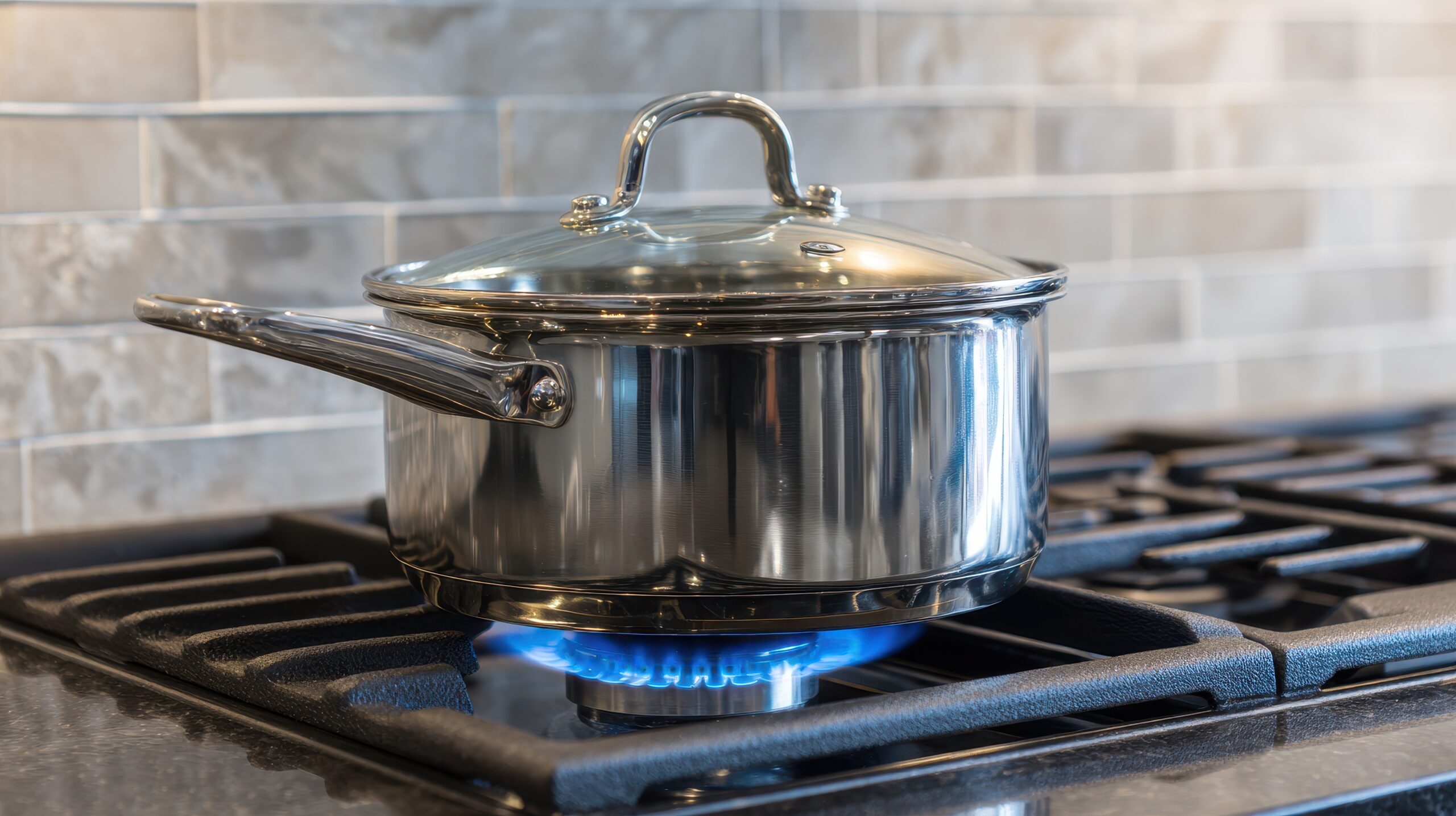
Cooking is another common use of natural gas in the home. Depending on your kitchen appliances, natural gas may provide the energy used for everyday meal preparation.
Clothes Dryers
Some clothes dryers also use natural gas.
Pools and Hot Tubs
Natural gas can also be used for pool and hot tub heating in some homes.
How Can You Tell Which Appliances Use Natural Gas?
Not every home uses natural gas in the same ways. One household may use it primarily for heating, while another may have several natural gas appliances. A good place to start is the appliance itself. Check the manufacturer’s label, owner’s manual or product documentation to identify its fuel source. If you’re uncertain about an appliance or gas connection, contact a qualified professional rather than attempting to inspect or disconnect gas equipment yourself. Understanding which appliances use natural gas is also helpful because it gives you a clearer picture of where your home’s natural gas usage comes from.
Why Does Knowing Your Home’s Natural Gas Appliances Matter?
Knowing where natural gas is used around your home can help you better understand your overall energy use. If your home relies on natural gas for heating, hot water, cooking or clothes drying, how often you use those appliances can affect both your natural gas consumption.
And if you’ve ever opened your statement and wondered, “Why is my natural gas bill so high?”, that’s the next question worth exploring. Understanding your appliances and usage is an important first step toward understanding your bill.
Explore A Cleaner Approach to Natural Gas With CleanSky Energy
Natural gas can play an important role around the home, from keeping your rooms warm to heating water, cooking meals and drying clothes. Understanding where you use natural gas can help you make a more informed energy choice.
At CleanSky Energy, we’re focused on making those choices easier to understand. CleanSky offers natural gas plans in Maryland, New Jersey, Ohio, Pennsylvania, and Washington D.C. and offsets 100% of your natural gas usage. If you want to understand exactly how carbon offsets work, read our guide explaining what carbon-neutral natural gas is and how it works.
